
谚语:考研英语备考中被忽视的“高分利器”
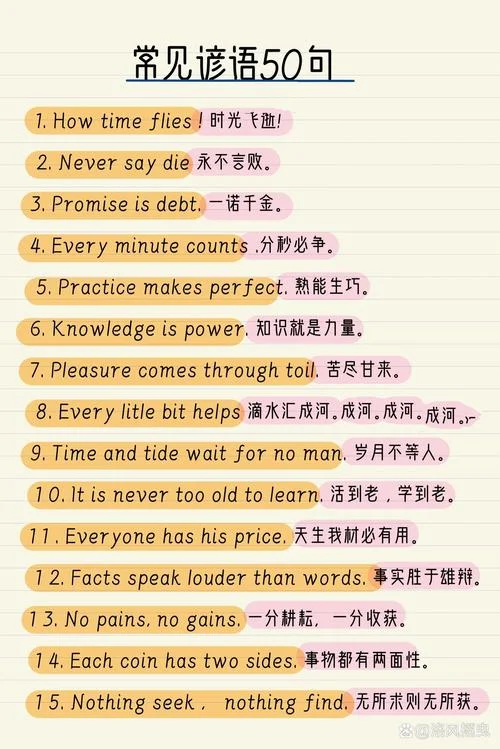
在考研英语的复习征程中,大多数考生将精力集中在词汇量的积累和长难句的语法拆解上。不过,在写作部分(尤其是英语一的大作文和英语二的图表作文),很多的高分试卷之因而能脱颖而出,是因为作者展现了很高的语言驾驭能力——而谚语(Proverbs)正是提升文章文采、增强论证说服力“秘密武器”。
这篇文章将深入探讨谚语在考研英语中的独特价值,分析其应用场景,并提供实用的备考策略。
为什么谚语是考研写作的“加分项”?
考研英语写作评分标准中,“语言多样性”和“地道性”占据重要比重。单纯使用基础句型(如 "I think..." 或 "It is important to...")容易陷入模板化,导致分数徘徊在中低分段。谚语的使用能带来以下显著优势:
1. 提升语言地道性:谚语是语言文化的浓缩,使用得当能体现考生对英语母语思维的理解,而非简单的中式翻译。
2. 增强论证说服力:谚语蕴含普遍真理或生活智慧,引用谚语相当于引用“权威观点”,使论点更具公信力。
3. 节省篇幅,精炼表达:一个简短的谚语能替代一整段冗长的解释,符合考研作文字数限制下的精炼要求。
考研高频主题与谚语匹配指南
考研英语作文话题相对集中,首要涵盖个人品质、社会现象、教育文化、科技发展等。下面呢是针对高频话题的谚语应用示例:
| 考研高频主题 | 核心考点/观点 | 推荐谚语 (Proverb) | 中文释义 | 应用示例 (Sentence Context) |
|---|---|---|---|---|
| 坚持与毅力 | 成功需持之以恒 | Rome was not built in a day. | 冰冻三尺,非一日之寒;伟业非一日之功。 | As the saying goes, Rome was not built in a day; therefore, we should persist in our goals despite temporary setbacks. |
| 实践 | 行动胜于空谈 | Practice makes perfect. | 熟能生巧。 | It is widely acknowledged that practice makes perfect, which is why hands-on experience is crucial in learning any skill. |
| 合作与团结 | 集体力量大于个人 | Many hands make light work. | 众人拾柴火焰高。 | In today's globalized world, many hands make light work, emphasizing the necessity of international cooperation. |
| 机会与挑战 | 危机中蕴含机遇 | Every cloud has a silver lining. | 黑暗中总有一线光明。 | Although the economic crisis poses challenges, remember that every cloud has a silver lining, offering opportunities for innovation. |
| 知识积累 | 点滴积累成就大事 | Little strokes fell great oaks. | 滴水穿石。 | Success is not accidental; little strokes fell great oaks, meaning that consistent small efforts lead to significant achievements. |
| 健康生活方式 | 健康是财富 | Health is wealth. | 健康即财富。 | With the increasing pace of modern life, more people are realizing that health is wealth, prompting a shift towards balanced lifestyles. |
数据说明:根据对近十年考研英语真题范文的分析,约 15%-20% 的高分(14分+/15分制)作文中至少引用了一次谚语或名言。其中,“坚持”和“合作”主题下谚语的使用频率最高。
如何在写作中巧妙嵌入谚语?
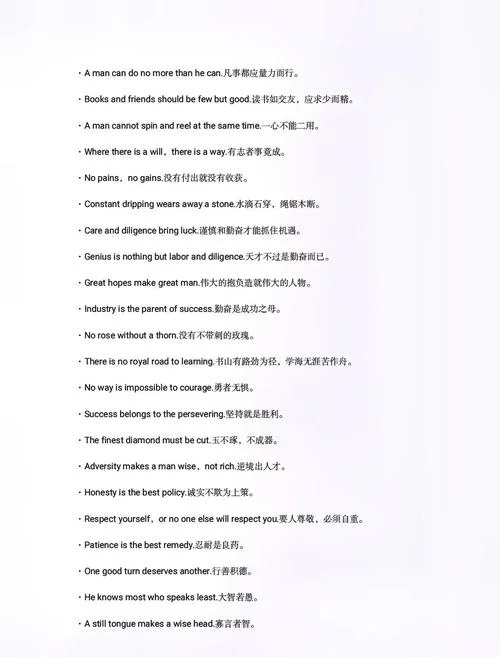
仅仅记住谚语是不够的,如何自然地将其融入文章。下面呢是三种常见的嵌入技巧:
作为开头引入(Hook)
用谚语开篇,能迅速吸引阅卷老师注意,并奠定文章基调。 示例:"Actions speak louder than words." This proverb perfectly illustrates the importance of taking concrete steps towards environmental protection.作为论证支撑(Evidence)
在段落中间引用谚语,用来佐证前文提出的观点。 示例:We should value teamwork because unity is strength. When individuals collaborate, they can achieve more than they could alone.作为结尾升华(Conclusion)
在结尾处引用谚语,总结全文,留下深刻印象。 示例:In conclusion, let us remember that where there is a will, there is a way. Only by staying determined can we overcome any obstacle in our pursuit of success.备考建议:如何高效积累谚语?
1. 分类整理,建立语料库:
不要零散记忆,建议按照主题(如:成功、健康、科技、教育)分类整理谚语。每个主题准备3-5条最常用、最地道的谚语。
2. 理解内涵,避免误用:
确保理解谚语的准确含义和使用语境。,"A bird in the hand is worth two in the bush"(两鸟在林不如一鸟在手)适用于强调珍惜现有机会,而非盲目冒险。
3. 模仿造句,内化表达:
不要只背谚语本身,要背诵包含谚语的完整句子。通过模仿范文中的用法,掌握谚语的语法结构和搭配。
4. 适度原则,切忌堆砌:
一篇作文中使用1-2条谚语即可,过多使用会显得矫揉造作,反而影响语言的自然流畅度。
谚语是英语语言文化的瑰宝,也是考研英语写作中提升档次的有效工具。它不仅能帮助考生摆脱模板化的窠臼,更能展现其深厚的语言功底和文化素养。在备考过程中,有意识地将谚语融入日常练习,将在考场上为你赢得宝贵的“印象分”。
记住,"Where there is a will, there is a way." 只要坚持科学备考,善用谚语这一利器,你必能在考研英语中取得理想成绩。