
考研上岸:如何用英语精准表达这一“人生高光时刻”?
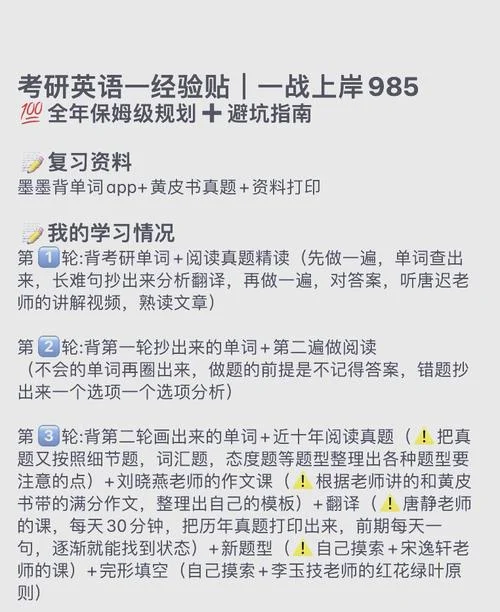
在中国,每年有数百万学子投身于“考研”(Postgraduate Entrance Examination)的洪流中。“上岸”一词,生动地描绘了考生从焦虑、备考的深水区游向成功录取的彼岸的过程。不过,当我们需要向国际友人介绍这一经历,或在英文简历、留学申请文书(PS)中描述这段历程时,直接翻译面临文化语境缺失。
这篇文章将深入解析“考研上岸”的多种英文表达策略,分析其背后的文化隐喻,并提供实用的场景例句与数据对比,帮助读者在不同语境下完成精准表达。
核心概念解析:为什么不能直译?
“上岸”(Go ashore)在中文里具有强烈的画面感,象征着脱离苦海、获得安稳。但在英语文化中,并没有完全对应的习语。假如直接说 "I went ashore after the exam",母语者会感到困惑,甚至联想到航海事故。
所以翻译“考研上岸”在于传达结果(被录取)和过程(竞争激烈后的成功),而非字面动作。
不同语境下的精准表达策略
根据利用场景的不同,我们可选择以下几种表达方式:
正式场合:简历、学术申请、官方文件
在正式文档中,应使用客观、标准的学术用语,避免口语化表达。Admitted to / Accepted into: 最通用、最标准的表达。
例句: "I was admitted to the Master’s program in Computer Science at Tsinghua University."
Secure a place in: 强调竞争的激烈和获得的难度,适合用于个人陈述中展示成就感。
例句: "After a year of rigorous preparation, I secured a place in the competitive Economics PhD program."
Pass the National Postgraduate Entrance Examination: 如果必须强调考试本身,使用此全称。
非正式场合:日常交流、社交媒体
在与朋友聊天或社交媒体分享时,可使用更生动、更具情感色彩的表达。Make it: 简洁有力,体现“成功了”。
例句: "I finally made it! I got into grad school."
Get in: 口语中最常见的“被录取”。
例句: "Did you get in?" "Yes, I got in!"
Crack the exam: “攻克考试”,强调难度和个人的努力。
例句: "It was tough, but I finally cracked the exam."
文化意译:如何解释“上岸”?
如果对方完全不了解中国考研背景,可以稍作解释:Succeed in the highly competitive postgraduate entrance exam: 成功凭借竞争激烈的研究生入学考试。
Achieve my goal of pursuing a master's degree: 实现了攻读硕士学位的目标。
数据透视:考研热背后的语言需求
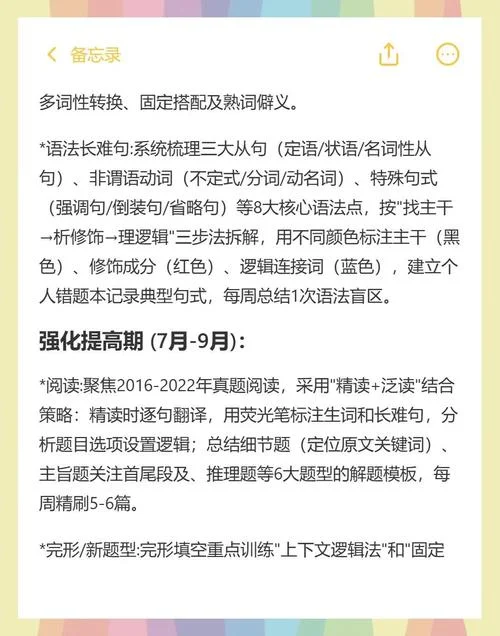
为了更直观地理解“考研”这一现象的规模及其在国际交流中,以下表格展示了近年来中国考研数据及对应的英文关键词频率建议。
| 维度 | 数据/现象描述 | 推荐英文关键词/短语 | 适用场景 |
|---|---|---|---|
| 报考规模 | 2024年考研报名人数约438万,创历史新高。 | Record-breaking enrollment; Surge in applicants | 新闻报道、社会分析文章 |
| 录取比例 | 平均报录比约为 3:1 至 4:1,部分名校高达 10:1。 | Highly competitive; Low acceptance rate | 强调难度、个人陈述背景 |
| 核心动作 | 经过数月甚至一年的备考,被录取。 | Admitted; Accepted; Secure a spot | 简历、正式文书 |
| 情感色彩 | 从焦虑到解脱,如释重负。 | Relieved; Triumphant; Achieved a milestone | 社交媒体、个人博客 |
| 替代路径 | 部分学生选择出国留学作为替代。 | Study abroad; International application | 对比分析、职业规划讨论 |
数据来源说明:报名人数参考中国教育部及各大教育机构发布的2024年全国硕士研究生招生考试统计数据。报录比为估算平均值,具体因学校和专业而异。
常见误区与纠正
在翻译“考研上岸”时,学习者常犯以下错误:
1. 误用 "Go ashore"
❌ 错误: "I went ashore after passing the exam."
✅ 正确: "I passed the exam and got admitted."
解析: "Go ashore" 是物理上的上岸,如船员登陆。
2. 混淆 "Graduate" 与 "Get admitted"
❌ 错误: "I graduated from the master's program." (这表示你已经毕业)
✅ 正确: "I was admitted to the master's program." (这表示你被录取,尚未开始或刚开始)
解析: “上岸”指的是被录取的那一刻,而非毕业。毕业应使用 "Graduate" 或 "Earn a degree"。
3. 过度简化 "Kaoyan"
虽然 "Kaoyan" 在特定华人社区中被理解,但在国际通用语境中,建议采用 "Chinese National Postgraduate Entrance Examination" 或简称 "China's grad school entrance exam",以确保信息准确传递。
实战应用:如何撰写一段英文描述?
假设你正在申请国外的交换项目,需要在个人陈述中提及你的考研经历,以展示你的毅力和学术目标,得以这样写:
"My journey to pursue higher education was marked by intense dedication. After dedicating a full year to preparing for the Chinese National Postgraduate Entrance Examination, a highly competitive process with millions of applicants, I successfully secured admission to the Master’s program in Finance at Fudan University. This experience not only strengthened my academic foundation but also taught me the value of perseverance and strategic planning."
解析:
利用了 "Chinese National Postgraduate Entrance Examination" 明确背景。
用 "secured admission" 替代直译,体现正式感。
通过 "intense dedication" 和 "perfection" 传达了“上岸”背后的努力过程。
“考研上岸”不仅是一个语言现象,更是一种文化现象。在英文表达中,我们不必拘泥于“上岸”的字面意象,而应抓住其核心内涵:在激烈竞争中通过努力获得认可。无论是采用正式的 "admitted" 还是口语化的 "made it",根据语境选择最恰当、最自然的表达方式。
希望这篇文章能帮助您更自信、更精准地向世界讲述您的“上岸”故事。