
穿越千年:中国历史的英语简明概览
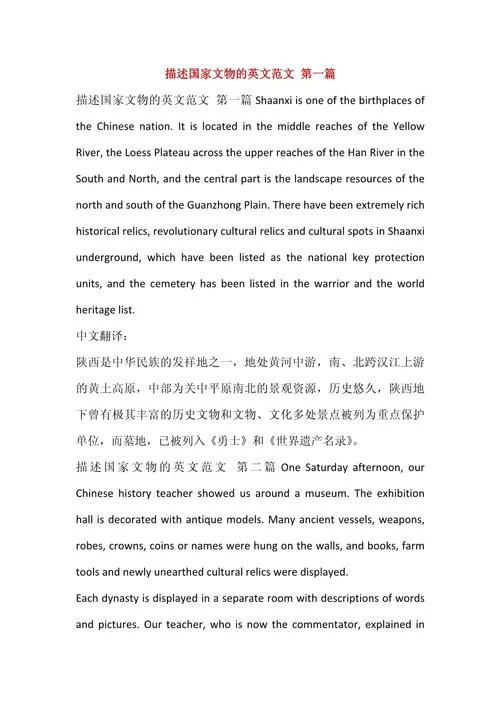
中国历史(Chinese History)是世界上唯一未曾中断、延续至今的古老文明之一。拥有超过五千年的文明史,中国不仅在政治制度、哲学思想、科技发明和艺术成就上对世界产生了深远影响,也塑造了东亚乃至全球的文化格局。
为了帮助英语使用者或非中文母语读者快速理解中国历史的脉络,时间线、核心特征及重要贡献三个维度,用简洁流畅的英语介绍中国历史,并辅以关键数据表格。
The Ancient Foundations: Myth to Empire (c. 2070 BCE – 220 CE)
中国历史的开端从传说中的“三皇五帝”讲起,但信史(verifiable history)始于夏朝(Xia Dynasty),尽管其考古证据仍在探索中。真正奠定中国政治和文化基础的是商朝(Shang Dynasty)和周朝(Zhou Dynasty)。
Key Developments:
Invention of Writing: Oracle Bone Script (甲骨文) from the Shang Dynasty is the earliest known Chinese writing system. Philosophical Golden Age: During the Zhou Dynasty, especially the Spring and Autumn and Warring States periods, great thinkers like Confucius (孔子), Laozi (老子), and Sun Tzu (孙子) emerged. Their ideas—Confucianism, Daoism, and Military Strategy—remain influential today. Unification: In 221 BCE, Qin Shi Huang (秦始皇) unified China for the first time, establishing the Qin Dynasty. He standardized writing, currency, and measurements, and began the construction of the Great Wall.Note: The subsequent Han Dynasty (206 BCE – 220 CE) is often considered a golden age, comparable to the Roman Empire. It established the Silk Road, facilitating trade and cultural exchange between East and West.
The Era of Division and Cosmopolitanism (220 – 907 CE)
After the fall of the Han Dynasty, China entered a period of fragmentation known as the Period of Disunity (魏晋南北朝). However, this era also saw significant cultural blending, particularly with the introduction of Buddhism (佛教) from India, which became deeply integrated into Chinese society.
The Tang Dynasty (618 – 907 CE):
Often regarded as the peak of Chinese civilization, the Tang Dynasty was characterized by: Openness: Chang’an (modern Xi’an) was the largest city in the world, a cosmopolitan hub for merchants, diplomats, and scholars from across Asia. Poetry: Figures like Li Bai (李白) and Du Fu (杜甫) are celebrated as the greatest poets in Chinese history. Technological Advances: Woodblock printing and gunpowder were developed during this period.Imperial Zenith and Innovation (960 – 1368 CE)
The Song Dynasty (960 – 1279 CE) is famous for its economic prosperity, technological innovation, and cultural refinement. Although militarily weaker than previous dynasties, it was an era of incredible intellectual growth.
Four Great Inventions: Papermaking, printing, gunpowder, and the compass all reached maturity or were widely used during this time.
Neo-Confucianism: A philosophical movement that combined Confucian ethics with Daoist and Buddhist metaphysics.
This period ended with the rise of the Mongol Empire. Kublai Khan established the Yuan Dynasty (1271 – 1368), making China part of the largest contiguous land empire in history. Marco Polo’s travels during this time introduced Europe to the wealth and sophistication of China.
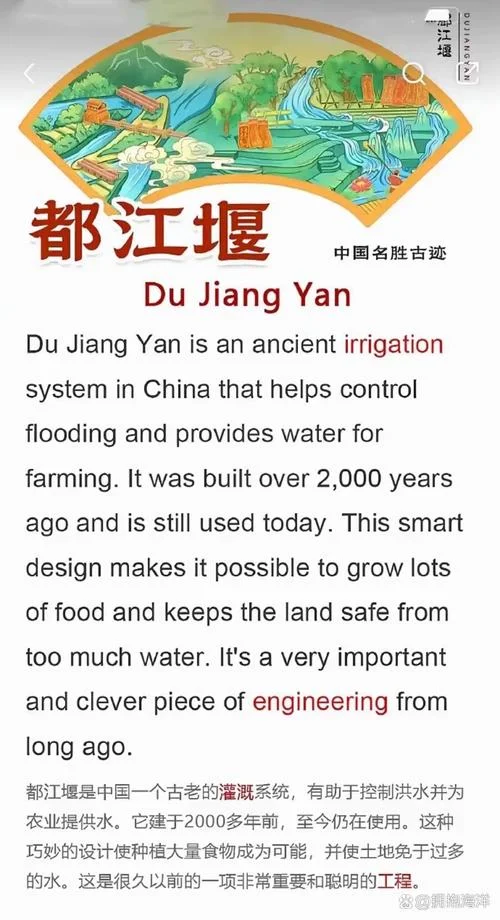
The Late Imperial Era: Ming and Qing (1368 – 1912 CE)
The Ming Dynasty (1368 – 1644):
Restored native Han Chinese rule. Built the Forbidden City in Beijing and the majority of the Great Wall as we see it today. Sent out massive naval expeditions led by Zheng He (郑和), reaching as far as East Africa.The Qing Dynasty (1644 – 1912):
Founded by the Manchus, it was the last imperial dynasty. Under emperors like Kangxi and Qianlong, the empire expanded to its greatest territorial extent. However, by the 19th century, internal corruption and external pressures from Western powers led to the Opium Wars and a period of semi-colonial status.Modern China: Revolution to Rebirth (1912 – Present)
The fall of the Qing Dynasty in 1912 marked the end of over two millennia of imperial rule.
Republic of China (1912 – 1949): A period of political instability, warlordism, and resistance against Japanese invasion.
People’s Republic of China (1949 – Present): Founded by Mao Zedong (毛泽东) in 1949. After Mao’s death, Deng Xiaoping (邓小平) initiated economic reforms in 1978, leading to rapid industrialization and China’s emergence as the world’s second-largest economy.
Key Historical Data Table
The following table summarizes major dynasties, their durations, and key contributions:
| Dynasty | Time Period | Duration | Key Characteristics & Contributions |
|---|---|---|---|
| Qin | 221–206 BCE | 15 years | First unification; Standardized script, currency, weights; Great Wall initiation. |
| Han | 206 BCE–220 CE | 426 years | Silk Road established; Confucianism became state ideology; Paper invention. |
| Tang | 618–907 CE | 289 years | Cosmopolitan capital (Chang’an); Golden age of poetry; Woodblock printing. |
| Song | 960–1279 CE | 319 years | Economic revolution; Four Great Inventions matured; Neo-Confucianism. |
| Yuan | 1271–1368 CE | 97 years | Mongol rule; Marco Polo’s visits; Integration into global trade networks. |
| Ming | 1368–1644 CE | 276 years | Forbidden City built; Zheng He’s voyages; Porcelain and silk exports. |
| Qing | 1644–1912 CE | 268 years | Largest territorial extent; Last imperial dynasty; Transition to modern era. |
Conclusion: Why Chinese History Matters
Understanding Chinese history is not just about memorizing dates and names. It is about comprehending the roots of:
Governance: The concept of a centralized bureaucratic state.
Philosophy: The balance between harmony (Daoism) and social order (Confucianism).
Innovation: The foundational technologies that shaped the modern world.
Today, as China continues to play a pivotal role in global affairs, its historical context provides essential insights into its current policies, cultural values, and societal structure. From the ancient silk roads to the digital Belt and Road Initiative, the thread of history remains unbroken, weaving together the past and the future.