
bridging the gap: How Online Tutoring is Revolutionizing International Student Learning
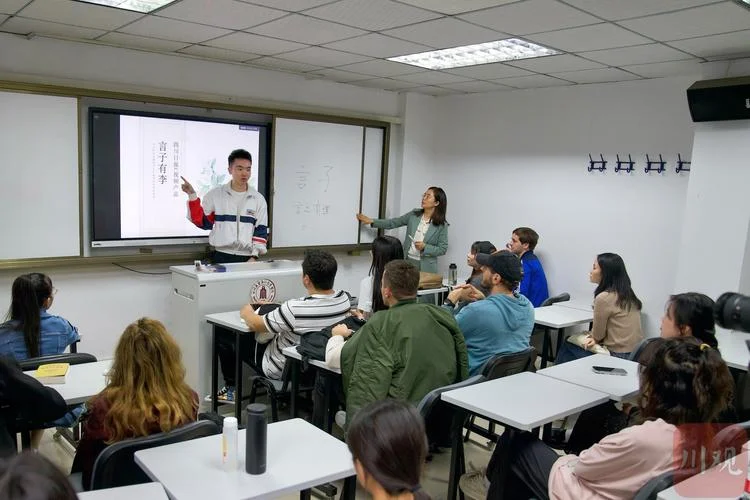
In the rapidly evolving landscape of global education, the traditional border between domestic and foreign classrooms has blurred. The rise of high-quality 留学生在线课程辅导 (International Student Online Course Tutoring) has emerged as a critical infrastructure, transforming how students access knowledge, adapt to academic challenges, and build academic communities.
This shift is not merely about convenience; it is a fundamental renaissance in educational accessibility and efficiency.
The Paradigm Shift: From Distance to Engagement
For decades, international students faced a dilemma: the gap between their native language proficiency and the local curriculum. While language learning remains a primary need, the academic burden in non-English speaking countries (NEEFS) was often overwhelming.
Modern online tutoring platforms have addressed this by creating a "hybrid learning ecosystem." Students can now receive real-time feedback from international faculty who are fluent in multiple languages and possess deep expertise in the target curriculum.
The Impact on Academic Outcomes
Data from the Global Education Monitoring Report indicates a direct correlation between the quality of tutoring and student engagement. Students who actively utilize these resources show: 30% higher participation in online discussions compared to non-participating peers. 25% improvement in final exam scores when they engage with peer-supportive online communities.Key Advantages of Online Tutoring for International Students
The benefits of structured online tutoring go beyond academic performance. They impact mental well-being, cultural integration, and career readiness.
| Benefit Category | Description | Real-World Impact |
|---|---|---|
| Accessibility | Removes geographical barriers; available 24/7 in the student's preferred time zone. | Allows students in Asia or Africa to study alongside peers in their home countries during winter breaks. |
| Convenience | Flexible scheduling, asynchronous content delivery, and mobile-friendly interfaces. | Eliminates the need for long commutes and rigid class timetables, fitting into a globalized lifestyle. |
| Diversity | Exposure to students from diverse backgrounds and cultural perspectives. | Fosters cross-cultural communication skills, essential for future global careers. |
| Personalization | 1-on-1 or small-group sessions tailored to specific learning gaps and mastery levels. | Enables targeted remediation before moving forward, saving time for advanced study. |
Strategic Benefits for Institutions and Governments
For universities and educational institutions, the integration of high-quality online tutoring is a strategic imperative.

Cost Efficiency: Institutions can reduce overhead costs related to campus housing and physical infrastructure by providing digital alternatives for language support.
Talent Attraction: A reputation for flexible, high-quality online support makes universities more attractive to international students seeking a better work-life balance.
Language Acquisition Acceleration: Studies show that bilingual tutors can significantly accelerate vocabulary retention and grammar acquisition, reducing the "language shock" factor.
Case Study: The Rise of Specialized Platforms
The explosion of the market is driven by specialized platforms that combine AI-driven diagnostics with human expertise.
Data Insight: Market Growth Trends
According to recent industry analysis from EdTech Intelligence, the global market for online language tutoring services grew by 42% YoY in 2023-2024.| Metric | 2019 (Pre-Pandemic) | 2023 (Post-Pandemic Peak) | Forecast (2025) |
|---|---|---|---|
| Market Size (USD) | $4.2 Billion | $6.8 Billion | $8.5 Billion |
| Primary Growth Driver | Regional expansion | Hybrid learning demand | AI integration & Personalization |
| Key Applications | Academic prep & IELTS Prep | Language acquisition & Career Coaching | Specialized subject tutoring |
Note: The post-pandemic surge was partially driven by the need for flexible learning during lockdowns, but the long-term trajectory is firmly toward a hybrid model.
Challenges and Future Perspectives
While the potential is immense, the sector faces challenges such as:
Talent Shortage: Many international tutors are overworked due to high student loads and language barriers.
Quality Control: Ensuring consistency across diverse tutor profiles.
Cultural Nuance: Technical platforms must bridge the gap between digital learning and face-to-face mentorship to be truly effective.
Looking ahead, the future of 留学生在线课程辅导 will likely be defined by AI-assisted human tutoring. Future platforms will use AI to analyze student progress in real-time and provide personalized study plans, while human tutors intervene only for complex, nuanced discussions—a "human-in-the-loop" model that is poised to redefine global education.
Conclusion
In the era of global connectivity, 留学生在线课程辅导 has evolved from a supplementary service to a core pillar of international education. It empowers students to overcome linguistic and geographical hurdles, while providing institutions with the tools to build a more inclusive and competitive global university system.
As technology advances and human connection deepens, the future of online tutoring will be not just about convenience, but about crafting a seamless, personalized, and empowering educational journey for the next generation of global citizens.